Wednesday, 20 November 2013

Royal Arcade, Cardiff

Royal Arcade opened in 1858 and is the oldest surviving arcade in Cardiff. It was designed and built by James & Price, for the Cardiff Arcade Company, and connects The Hayes to St Mary Street.


We enter the Royal Arcade from The Hayes, with Dr Martens (boots) and Scribbler (greeting cards of dubious taste) on your left-hand side and Rossiters (Bath-based designer department store) to your right. Second on the left, though you’ll have to walk a few units to find the door:


Wally's Delicatessen and Wally's Kaffeehaus
38-46 Royal Arcade CF10 1AE (2022 9265)
This family-run delicatessen, currently owned by Steven Salamon, has been a feature of the Royal Arcade since 1981. The deli has expanded considerably since it first opened and stocks around 1,600 products from around the world. It’s great for those unusual ingredients and foods imported from continental Europe.  In 2011, Wally’s Kaffeehaus opened upstairs. This Viennese-style coffee house specializes in Open Sandwiches, such as the Tyrol (roast chicken breast, chorizo, shaved manchego cheese, Piquillo peppers, garlic mayonnaise, rocket, black olives and toasted sourdough) and the Baden (German smoked black ham, Hereford Hop cheese, chutney, balsamic onions and sliced pear, on wholegrain seeded bread). Vegetarian options include the Rohrbach (Grilled aubergine and Caerphilly cheese). The Aufschnitt comprise sharing platters of cold meats or cheeses. The menu draws on the deli produce downstairs, so if you particularly like something chances are you can buy it on the way out.

Fresh
32 Royal Arcade CF10 1AE (2022 3158)
Fresh Baguette opened in 2000 and has established itself as one of the most popular independent sandwich shops in Cardiff. Gareth Lawton and his partner Samantha make good use of Twitter to promote the business, with daily specials often posted in the morning (@freshbaguette1). Yesterday’s was Falafel and Humous Baguette with salad and toasted cumin seeds. My most recent involved chicken, bacon, mayo, rocket, red onion and salami cracking. Easily the most creative sandwich-makers in the city; they are not afraid to be experimental, with novel ingredient combinations and spicy sauces. Regulars can also work through the 100-plus regular fillings for baguette and paninis on the menu. Service is friendly and efficient. Expect to see a queue outside at lunchtimes.

The alley across the way, Tabernacle Lane, links Royal Arcade with Morgan Arcade.


Vom Fass
28-30 Royal Arcade CF10 1AE (2022 9497)
Vom Fass Cardiff sells oils, vinegars and spirits from barrels.

The cupcake shop Velvet Ice (formerly 20 Royal Arcade), which opened in 2011, has closed. Has the inexplicable (to me) fashion for cupcakes peaked?

Further along this southern side of the arcade, there is a Health with Herbs (24 Royal Arcade).

I intended to take lunch in Harleys Coffee Shop (8 Royal Arcade) when my walking tour made it to the Royal Arcade. But, alas, this long-established coffee shop closed earlier this year after 13 years of trading in the arcade.

This side of the arcade also has a new Oxfam book shop, with vinyl records upstairs. At the entrance from St Mary Street, there’s a sign of the times: an electronic cigarette shop.


Cross to the other side of the arcade, which currently starts with a seasonal Christmas shop.

Royal Sweet Shop
7 Royal Arcade CF10 1AE (2038 7438)
Traditional newsagent with rows of those tall jars of old-fashioned sweets.


There are no further food-related units in Royal Arcade. However, of note along this side of the arcade is the very wonderful stationary and art supply shop Pen and Paper (where our eldest daughter has a Saturday job).

Further along, by the entrance to Tabernacle Lane, is the Ian Allen bookstore and model shop (31 Royal Arcade), specializing in books on transport.


Wednesday, 13 November 2013

Cardiff Marriott and River Cottage in partnership

The display featuring muddy carrots is not something you usually see in a hotel restaurant. Another clue as to what’s occurring are the shelves of Hugh Fearnley-Whittingstall books. We are in Zest, the restaurant at Cardiff Marriott, to sample the new menu created in partnership with River Cottage.


People increasingly like to know where their food comes from and how it is produced. In responding to diners’ interest in the provenance of their food, Zest has teamed up with Fearnley-Whittingstall’s River Cottage: an organization built around locally-sourced, ethically and sustainably produced, seasonal food.

Cardiff is one of only two Marriott Hotels to trial the partnership. If successful, it will be rolled out to more of Marriott’s other 50 UK hotels. The goals the partnership has set are ambitious ones.

For the menu, Marriott is committing to increase the use of local food, produced within a 60 mile radius of the hotel, to 80%. In Cardiff, Marriott is lucky. There is a wealth of Welsh food producers to choose from. The produce sourced for the menu so far includes meat from Graig Farm and Slade Farm, fish and shellfish from Gower Coast Seafood and E. Ashton, eggs from Farmhouse Freedom Eggs, cheese and dairy products from Calon Wen and Abergavenny Fine Foods, and vegetables from the Welsh Box Scheme and Ty Mawr Organic.

Because the menu is seasonal, the menu will change frequently. Daily changes are expected, so even regulars will find something different to order.

The amount of food wastage in the catering industry generally can be pretty shocking. Marriott’s are here committing to further reducing food wastage from their current low level of 5%.


By improving sustainability practices, Marriott’s hopes to improve its Sustainable Restaurant Association (SRA) rating in the two hotels trialling the partnership with River Cottage.

All the meat and vegetables on the menu will be organic, with the chicken also being free-range, and the fish and shellfish sustainably-sourced.

The partnership has involved staff from Marriott Cardiff taking part in training courses at River Cottage’s recently launched Chefs’ School, to acquire new skills relating to sustainable food procurement and other areas that complement their catering industry expertise.


On the table, the rosemary bread was very fresh, and there was a sprig of rosemary on the table (impossible not to pinch and smell). We started with ‘Parsley Salad’ and ‘Squash & Goat Cheese Salad’. Parsley was a feature of my salad, but the main interest was the crab meat, accompanying soft-boiled egg, and the intense anchovies hidden underneath. Crisp thin-sliced beetroot was the unannounced star of the other colourful salad.


For Mains, I opted for ‘Slow Cooked Organic Graig Farm Brisket’, served with anchovy and rosemary potato gratin and red wine sauce; the meat melted in the mouth. My partner had the ‘Slade Farm Lamb’, with mashed celeriac, chilli and thyme. The lamb had a subtle barbeque flavour.


The other vegetables, ordered as sides, were ‘Honey Glazed Carrots’ and ‘Kale, Chilli and Fennel Seeds’. The carrots had a wonderful intense flavour and looked great – orange, white and purple. The fennel on the kale produced a sensational effect, though the chilli was a little heavy for our taste in this context.


With sides this was not ‘small plate’, but rather ‘three good things on a plate’ (the title of one of Hugh’s books).

I’m afraid that for the ample puddings we opted for exotic options, with some ingredients what were probably not grown around Cardiff. My ‘Sticky Date Pudding’ came with homemade vanilla ice cream, and my partner’s ‘Almond and Orange Pudding’ came with a slice of pear cooked in red wine as well as the ice cream. However, a warm beetroot brownie, and apple and cherry crumble with custard, were also on the menu.


Local wine and beers are available, although they were not listed on the main wine and drinks menu. We had a bottle of Glyndwr 2012, a medium dry white wine produced on a vineyard established in 1982 by the Norris family in Llanbleddian, near Cowbridge, in the heart of the Vale of Glamorgan.

Generally, the local and seasonal approach can help produce a coherent menu, where fresh food items are used in different ways throughout to create a satisfying dining experience that also celebrates and supports local growers and artisan producers.

Zest actively encourages locals to join hotel guests in their dining room.


Marriott Cardiff: http://www.marriott.co.uk

River Cottage: http://www.rivercottage.net


All food and drink consumed was kindly provided by Marriott Cardiff.

Tuesday, 15 October 2013

Drinking Azsú in the Tokaji region, Hungary

I was on a journalism assignment recently in Hungary, writing about an EU LIFE-funded soil monitoring project. As part of the trip, I went to the Tokaji wine-growing area in the north-east of the country, which has been a UNESCO World Heritage Site since 2002. As well as looking at the soil monitoring system in operation, I was also fortunate enough to have a private tour and tasting in the historic Konyves cellar.


The tour takes you through the labyrinth of cellar tunnels cut into the soft volcanic rock of the hillside. There are over 700 m of cellar at Konyves, filled with around 800 oak barrels. The walls are covered with a mould (Cladosporium cellare), which is white when young but grows into a thick black layer. The mould feeds off the alcohol vapours from the barrels. It is important, because it regulates the humidity (88-95%) and temperature (a constant 12°C) in the cellar.


Three wines of increasing sweetness are usually tasted on these tours. The first is Furmint, a very dry and unremarkable white wine made from the Furmint grape variety. The second is a Muscadet, from the French grape of that name (the only one of the half-dozen Tokaji grape varieties that does not originate in Hungary), which is here really to give a taste of a standard sweet wine. The star is saved to last – the distinctive Azsú (bottle pictured). This is the sweetest naturally-made wine, with 70% sugar. The sweetness is complex, however, with honey, tropical fruit (citrus/apricot) and nutty flavour notes. It’s nectar.


The grapes that give Azsú its character come from the Furmint vines, but they are infected with the fungal mould Botrytis cinerea. This concentrates the grape’s sugar content and flavour. I was in the vineyard in early October and the grapes (photograph) are still growing – the shrivelled brown Azsú grapes are hand-picked in early November from the Furmint bunches. It’s like making wine with juicy raisins. The bottle is labelled ‘5 puttonyes’, which traditionally referred to the number of buckets of Azsú grapes added to 130 litres of must in a barrel (the range is from 3 up to a very sweet 6); now it refers to the sugar level. The wine is aged for 3-6 years in the barrel.


Out in the vineyard, we saw some curious pipes in the ground. The nearest one in this picture is 12 metres above the wine tasting area in the corner of the cellar, which is carved out of the hillside below the vineyard.


The conditions are not right to make the Azsú every year, just one in every two or three years; in those years they make a lot of Furmint. They have kept samples from all the Azsú years back to 1895 in the Konyves cellar. It’s a stroll back in time.


I would like to thank Miklós Dombos, of the Institute for Soil Sciences and Agricultural Chemistry in Budapest, and György Zsigrai, of the Research Institute for Viticulture and Oenology in Tokaj, for arranging the visit to the cellar.

LIFE website - funding environmental and nature conservation projects in the European Union:
http://ec.europa.eu/environment/life/

Sunday, 15 September 2013

Creating a Community Garden 10

In a series of posts I have outlined the process by which Nightingale Community Garden in Dinas Powys was created (links below). In June, I described how the garden was flourishing during its first summer. Among the verdant greenery, it was hard to believe that gardening had only started a couple of months previously. Some of the crops were entered in this year’s Dinas Powys Village Show (31 August); Giles Metcalf’s beetroot, for instance, won First Prize.


On Saturday 14 September, the official opening of the Nightingale Community Garden was held. Cllr. Keith Hatton and Elizabeth Millard, of the Dinas Powys Residents’ Group, welcomed everyone, outlined the history of the garden, introduced the special guests, and thanked those who had made important contributions along the way.

Keith had the original idea of doing something with the derelict piece of land, on the footpath that connects Sir Ivor Place and Nightingale Place, which was becoming a focus for anti-social behaviour in the area. With Elizabeth, they put together the first plan for turning it into a Community Garden. At an early stage they gained the support of Mike Ingram, one of the special guests at the event, who is the Operational Manager of Public Housing Services at the Vale of Glamorgan Council. Mike facilitated the smooth transition of the site, from unwanted public housing land to Community Garden.

The Finance Minister of the Welsh Assembly Government Jane Hutt AM placed the garden within the larger context of The Rural Development Plan, which is a joint Welsh Government and European Union strategy. In her short speech, she stressed the importance of finance from the European Agricultural Fund for Rural Development, which along with Welsh Government funding enables projects such as this to happen. Jane also stressed the importance of supporting community-led initiatives.

The Welsh Government funds community projects through Councils. Cllr. Liz Burnett, another of the special guests at the event, is Vale of Glamorgan Cabinet Member for Regeneration, Innovation, Planning and Transportation. The money that comes to the Council for rural regeneration is in her portfolio. The Vale of Glamorgan Council funds its own rural development initiative: Creative Rural Communities.


Rob McGhee of the Community Foodie section of Creative Rural Communities, established to help communities grow their own food, has been involved with the Nightingale Community Garden project from a very early stage. He has been key in obtaining funding and helping to manage the project, including overseeing the contractors who have worked to transform the site. He praised the enthusiasm of the local communities he works with, both in Dinas Powys and in other places were similar projects have been successful such as Treoes. Rob is the one talking in the picture above, with Mike Ingram next to him.


BBC Wales’ weatherman Derek Brockway (above, with Keith) certainly bought the sun with him, which shone throughout proceedings. With a cheery “hello and shw’mae” he gave us an up-to-date weather forecast. Unfortunately, this involved windy autumn weather just around the corner. He noted how the warmest and driest summer for seven years had helped the garden be so productive in its first year. Below is a picture of Derek cutting the ribbon, with Keith looking on. Derek took time out from filming his current series of 'Weatherman Walking' for BBC Wales to open the Community Garden. You can find details on the BBC website, where you can also print out Weatherman Walking maps that enable you to follow in Derek's footsteps. He was right about the weather today (Sunday); though I am in the warm writing this, and he is walking and filmed up in the bleak Brecon Beacons!


Here’s a photo of Cllr. Keith Hatton, Derek Brockway, Elizabeth Millard and Jane Hutt AM.


During the speeches Keith and Elizabeth thanked several people whose energy and enthusiasm have contributed enormously to the garden’s success. We owe a big debt of gratitude to Stuart Hockley for, among other things, orchestrating the laying out of the plots and for erecting two large greenhouses and a shed in the garden. Merry Metcalf was thanked for organizing all the paperwork during the crucial stage when the plots were being allocated, and Lynne Squires was thanking for carrying on in this role.


Angela Peterken is the lead gardener of a Family Growing Group within the garden. This arose from her work as a Learning Support Assistant at Dinas Powys Infants School, following enquiries by parents keen to start growing vegetables with their children. Five families have been working alongside each other on the largest plot in the garden, including families with no previous experience of growing their own food. 24 different types of vegetables have been grown on their plot, including these pumpkins (a credible Third Prize in the Village Show), which are being lined up for Halloween.


An impressive array of food was on offer, all contributed by plot-holders, including a cake made by Angela. David Southall, who was thanked by Keith during the speeches for donating the large greenhouse to the garden, is seen here cutting the cake, with Mike Ingram and Elizabeth Millard looking on.


Below is a picture of Robin Harrison at the plant stall, selling seeds and seedlings. Robin is a fount of gardening knowledge and he teaches an Organic Gardening course at Murchfield Community Centre on Wednesday mornings (10am-12 noon) during term-time; part of Penarth Community Learning Centre’s adult education programme.


Below are some photos taken during July and August, since my last dispatch on the Community Garden, including one of the small wooden seats Giles made from felled timber and one of my own plot. Like many plot-holders, I had good crops of runner beans, potatoes and courgettes; along with rhubarb, peas and chard. As Elizabeth said, at the conclusion of the speeches, this is the fulfilment of a dream to turn an ugly derelict area into an attractive productive garden, which has really bought together the community in this part of Dinas Powys.


Previous posts on creating a Community Garden in Dinas Powys:

June 2013
http://sfnottingham.blogspot.co.uk/2013/06/creating-community-garden-9.html

April 2013
http://sfnottingham.blogspot.co.uk/2013/04/creating-community-garden-8.html

March 2013
http://sfnottingham.blogspot.co.uk/2013/03/creating-community-garden-7.html

Feb 2013
http://sfnottingham.blogspot.co.uk/2013/02/creating-community-garden-6.html

Jan 2013
http://sfnottingham.blogspot.co.uk/2013/01/creating-community-garden-5.html

Oct 2012
http://sfnottingham.blogspot.co.uk/2012/10/creating-community-garden-4.html

Aug 2012
http://sfnottingham.blogspot.co.uk/2012/08/creating-community-garden-3.html

Feb 2012
http://sfnottingham.blogspot.co.uk/2012/02/creating-community-garden-2.html

Jan 2012
http://sfnottingham.blogspot.com/2012/01/creating-community-garden.html

Thursday, 12 September 2013

YAKITORI#1, Cardiff

Amidst all the chain restaurants in Mermaid Quay, down in Cardiff Bay, it is good to see a local independent starting up. Last month, in a unit underneath The Glee Club, Yakatori#1 started serving modern Japanese cuisine - with the focus on sushi, grills and noodles. This is Japanese food that reflects the owners’ travels around the world seeing how it has evolved in contact with other cultures, such as California.


We were fortunate enough this week to be invited along to Yakatori#1, as guests of owners Meng and Cheryl Yap. Meng founded Ethnic Cuisine in Swansea in 1994; the company grew to employ around 400 people and supplied ready-meals for J. Sainbury’s. He sold that business five years ago, and is now embarking on this restaurant venture.

The Malaysian-born couple have assembled a highly-skilled team of chefs, who can be seen in the open kitchen preparing beautiful-looking food. Meng explains that, just as he told his former workers to always imagine Sainsbury’s looking over their shoulders, he likes his chefs to be aware of the customers whose food they are preparing.


The range of sushi - maki rolls, hosomaki and nigri sushi – look great and, as Meng says, are designed to produce taste sensations. Therefore, the amount of rice is kept relatively small, to allow the other ingredients to shine. Bowls of avocados are prominently displayed in the kitchen, and thin slivers of avocado contribute a distinctive cool and creamy dimension to Yakitori#1’s maki rolls. Salmon, prawns, crab, tuna, and chicken are among the other favoured ingredients. Rainbow maki is a colourful flavour sensation, while avocado and mango maki provided an unexpectedly sweet and delicious taste experience. 


‘Yakitori’ means ‘grilled chicken on a skewer’. Yakatori, a term that can be also used to describe skewered and grilled food generally, is served in small informal restaurants and from food stalls in Japan.  The chicken yakitori here is therefore something of a signature dish, and consists of succulent flattened chicken breast pieces, coated with teriyaki sauce, and spring onion on small wooden skewers. Lightly battered king prawns and gyozu (a type of dumpling) with a sweet chilli sauce were other highlights.


The freshness of the ingredients is very important to Meng and Cheryl (and there’s certainly no MSG). The fish is sourced from Brixham-based Channel Fisheries, while vegetable ingredients are obtained locally. The nori (seaweed) is imported from Japan (where it is farmed, toasted and packaged as rolled sheets on a large scale) and there’s a choice of Japanese beers.


Yakatori#1 is family-friendly, not something you usually associate with Japanese restaurants in the UK. The children’s menu has ‘mini mains’ of ramen, wok-fried noodle and rice dishes, and a mild curry (and ice cream, of course). The menu also offers lunch and dinner specials, bento lunches and take-away options.

The name suggests that there could be at least a Yakatori#2 to come. On the evidence of the food we tasted, that would not be too surprising.

Yakatori#1, Unit 10 Mermaid Quay, Cardiff Bay, Cardiff CF10 5BZ (Tel: 2049 5050)http://www.yakitori1.co.uk

All food kindly provided free by Yakatori#1
Photos in this post courtesy of the restaurant.

Tuesday, 20 August 2013

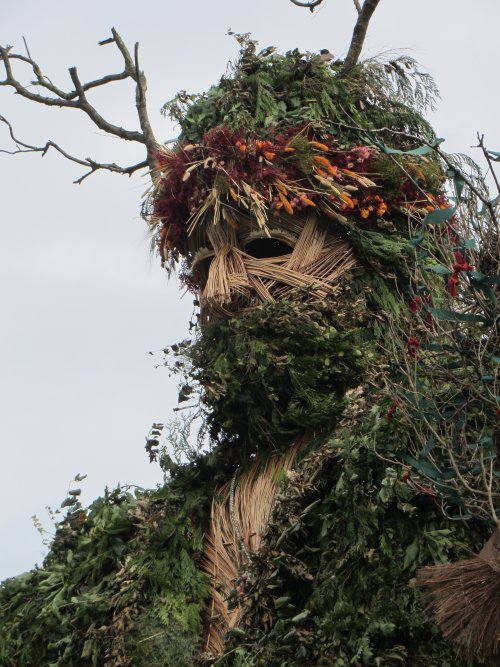
Green Man Festival 2013

This year was one of the best-ever Green Man Festivals. Held in a beautiful location every August near Crickhowell in the Brecon Beacons, it’s about far more than just the music (though the music is great), with the good food being one of the attractions.

This year, four new stalls joined the regulars. One of the newcomers was London-based Anna Mae’s Southern Street Food. Founded in 2011, they offered their signature mac n cheese.


A new discovery for us was French and Grace, who are based in Brixton Village Market. I really enjoyed my F&G chargrilled halloumi Lebanese flatbread wrap, which included fresh mint leaves, a pickled chilli, ‘slaw and tahini dressing. The company is run by Rosie French and Ellie Grace, and their first cookbook ‘Kitchen and Co’ was published last year. I had a flip-through at the stall and it looked good.

We were camped near another newcomer, The Hurley Burley. This campsite Theatre Café proved very useful for morning teas and coffees. Alongside a range of breakfasts and appealing vegetarian food options they had live music, with the staff taking time out to do a few song-and-dance and circus routines. It’s one to watch out for in future years. Other breakfast (and late night hot drinks) needs were met by Cwmdu Community Stall, as they are every year.

The first essential artist at Green Man 2013 was Patti Smith on Thursday night. She ate at the Rotisserie Chicken (Walled Garden) before her set and pronounced it very good from the stage. What higher recommendation could this Green Man regular want?


During their set, before singing their song ‘Kingfisher Pies’, the singer of Midlake said he was making for the Pieminister van afterwards. I don’t have the info on what was ordered. However, this year, my festival Pieminister pie was the Matador (beef, chorizo, olives).

I enjoyed a coconut chicken curry from Roots Caribbean catering, while listening to some soul in Chai Wallahs (the stage with global, jazz and urban music). The curry was very good (dark rum, spring onions etc). Other options included jerk chicken, braised mutton and Shropshire beef, served with sides of rice, plantain, dumplings or coleslaw.

A vegetarian falafel hit the spot one lunchtime - falafels deep-fried in filo pastry served with lemon, hummus and salad - from the Café Moor, who specialize in North African and Arabic Souk Food. We didn't get around to the Goan Fish Curry outlet this year, so that will be high on the list next time!


On the last night, having set up the youngest (a vegetarian) with a vegetable chow mein from the Oriental food stall, I found room for a vension burger (with onions) from the Welsh Venison Centre. I also helped the kids finish a fine vegetarian pizza from Green Pepper Red Tomato in the Mountain’s Foot area; some tasty Mexican food from Bristol-based Poco Loco; and some tomato and basil pasta from the Pizza and Pasta outlet in Chai Wallahs.


The family vote for best chips at the festival went to The Hippy Chippy in the Walled Garden ('Frozen Chips? No Thanks').

The ice cream of choice was Shepherds, who are based in Hay-on-Wye (est. 1978). The youngest always goes for Chocolate, but I decided to explore the more adventurous end of the menu with a Mango Chilli ice cream. This was an enjoyable, albeit one-off, experience: creamy mango with a delayed chilli kick. The two Coffee and Cake stalls (Walled Garden and Courtyard) kept us in coffee and doughnuts.

I mainly drank the excellent Growler, the Wye Valley Brewery ale brewed especially for the Green Man Festival. There were 100 artisan ciders and beers, largely from Welsh breweries in the festivals beer festival tent. The queues at this bar were the largest, with so many barrels for the staff to negotiate and people asking for samples before buying the unusual perrys; so although I would have liked to work through the list, I tended to seek out the Growler in the quieter bars.


The best meal I had at Green Man 2013 was [drumroll] a Seafood Paella from Jamon Jamon. This Green Man regular on the hill looking down on the Mountain Stage consistently delivers.


Not surprisingly, I managed to put on weight during Green Man 2013!

My favourite music acts included Stornoway, Patti Smith, Lau, Midlake, Band of Horses, Rozi Plain, Johnny Flynn, Kings of Convenience, Jon Hopkins and British Sea Power.


Previously:

Green Man 2012
http://sfnottingham.blogspot.co.uk/2012/08/festival-food-green-man-2012.html

Green Man 2011


Wednesday, 17 July 2013

Caroline Street, Cardiff

In the few hundred yards of pedestrianized Caroline Street / Stryd Caroline there are over a dozen food outlets, nearly all doing take-away. A survey conducted by Wales Online in 2011 asked what Caroline Street is really called. The result: Chippy Lane 47%; Chippy Alley 19%; Caroline Street 27%. The fish-and-chip and kebab houses open late to cater for the post-pub and nightclub crowds. Some open so late that there’s an overlap between clubbers and those seeking an early breakfast!

Caroline Street is undergoing change due to being sandwiched between the Café Quarter in Mill Lane and the Old Brewery Quarter. In particular, Caroline Street was redeveloped when the Old Brewery Quarter was established. Nevertheless, there are still plenty of long-established and no-nonsense chippies and kebab houses. Cheesy chips, jumbo sausages and chicken off-the-bone curries are among the favourites here.

Previously, I left you at The Corner House at the end of Mill Lane. We will be walking down the left (south) side of Caroline Street to St Mary Street, then turning around and walking along the other (north) side. Next time we’ll go into the Old Brewery Quarter from the Caroline Street entrance.


The Corner House
25 Caroline Street CF10 1FF (2022 8628)
The Corner House Bar & Dining Rooms opened in December 2011. It replaced The Kings Cross, a drinking pub and focus for the local gay community. There has been a pub on this site for 137 years. The Corner House is the first of Mitchell and Butler’s new Mayberry gastropubs. It covers most bases: breakfast, lunch, afternoon deals, and evening meals. Downstairs mainly operates as a bar, with dining upstairs. Pub classics with a bit of a twist to some pretty fancy cooking served, with plenty of choice on the menu. Last time we ate here, we enjoyed the fishcakes and the lamb rump steak. The Corner House has one of those annoying computer-crashing websites.

Griller
29 Caroline Street CF10 1FF (2022 4811)
Smartened up since the Food Blog last chronicled Caroline Street, Griller is a take-away specializing in fried chicken; serving peri-peri chicken, chicken nuggets, burgers, lamb kebab and wraps (rolos). For the health-conscious, there’s “fried-style chicken without frying”. This is the only Griller in Wales (around 38 in total across the UK). Like a number of outlets along Caroline Street, it’s Halal. It made the news in 2011 for being one of the first takeaways in Cardiff to have bouncers on the door for late-night Thu-Sat openings, by order of a district judge. Staff thought the ruling over-the-top.


PiPi’s
30-32 Caroline Street CF10 1FF (2132 8148)
PiPi’s Greek Coffee Shop, Patisserie and Restaurant opened in this location in 2009, after moving from a smaller location in Church Street. The upstairs restaurant closed last year, however, and is now an Indian restaurant. The patisserie and coffee shop opens in the mornings and through the day, with croissants, spanakopita (filo pastry with spinach and cheese filling) and other pastry delicacies. The eating-in menu features Meze, Taramosalata, Calamari, Soutzoukakia (meat balls), keftedes, Stifado, Moussaka, Greek salad, and other authentic Greek dishes. Desserts include Baklava, Kataifi and Greek yoghurt with honey and nuts. PiPi’s also get out and about. They had a stall at the recent Cardiff International Food & Drink Festival, where I sampled their fresh honey-drenched baklava and kataifi (the ‘shredded wheat’ one): like eating nectar in the blazing Cardiff Bay sunshine.

Spice Berry
30-32 (upstairs) Caroline Street CF10 1FF (2009 9199)
Opened in February 2013, in what was previously Pipi’s upstairs Greek restaurant. Spice Berry (”Savourix Indian Dining”) specialises in the cuisine of Southern Indian, with authentic dishes from Kerala and Tamil Nadu, and in particular the Malabar coastal region. Seafood options include crab, scallops and a shellfish feast; fish dishes include sea bass wrapped in banana leaves and tandoori salmon. Kerala curry, slow-cooked lamb shanks, duck milagu pirattal and Malabar biriyaani also feature. The owner is Sheikh Renoj Mohamed and head chef is Sundara Moorty Krisshnasamy, whose signature dishes include Navadhamiya Patties. Influenced by the success of the nouvelle Indian cuisine found in Purple Poppadom and Mint and Mustard in Cardiff. Highly rated (#4 today) on TripAdvisor. Spice Berry also operates a catering service.

After Colin’s Books (you won’t find any Harry Potter), there is a weed-infested gap behind the hoardings on this side of the street. This plot (34-35 Caroline Street) used to be Bloomers nightclub, which was petrol-bombed and burnt down many years ago; the site has never been redeveloped.

Morgan’s Fish Bar & Kebab House
36 Caroline Street CF10 1FF
Take-away: fish-and-chips and kebabs. You can also order online. Morgan’s is one of the establishments that leapt from an original zero to a perfect 5, if you are in any doubt about the value of the compulsory ‘scores on the door ’ Food Hygiene Rating system in Wales.

Mamaris Kebabs and Pizza House
38 Caroline Street CF10 1FF (2023 0208)
This take-away, previously called Kebab Land and Pizza House, serves shish kebabs, pizzas and other fast food.


Dorothy’s Fish and Chip Bar
39-40 Caroline Street CF10 1FF (2064 5813)
Dorothy’s Fish Bar is probably the oldest establishment in Caroline Street - opening in 1953 - and is well-used to catering for the post-pub and nightclub queues. It proudly boasts that it was the first to bring chicken curry to Cardiff city centre around 40 years ago, and chicken-off-the-bone curry with chips is still a house speciality. Traditional fish and chips, fish cakes, chicken spit-roasted daily, scotch eggs and a range of fast-food. Several generations of Cardiff families will have dined here. Dorothy’s key-rings available as a souvenir.

Tony’s Fish & Chip Bar
41-42 Caroline Street CF10 1FF (2034 2078)
Tony’s has been served chips to Cardiff’s late-night crowd for decades, and it’s still one of the most popular late-night chippies in the city. A traditional takeaway fish and chip shop, but also serves jumbo sausages, kebabs and other Chippy Lane favourites.


The Red Onion
43-44 Caroline Street CF10 1FF (2033 1284)
The Red Onion Fish & Chip Shop was established in 1971. Fish and chips, chicken curry, and other take-away choices.

Kebab King
45 Caroline Street CF10 1FF (2033 1284)
A kebab and burger take-away.

The door to the former Charleston Brasserie is still marked: it used to occupy the upstairs of the corner unit (46 Caroline Street). We have now reached St Mary Street.

Turn around and walk back along the other (north) side of Caroline Street:

kitty flynn’s
51 St Mary Street CF10 1AD (2064 4952)
Irish pub on the corner of St Mary Street and Caroline Street, owned by local brewery Brains (just a couple of blocks away). Apparently the pub was named after a famous Cardiff landlady; a drinking rather than dining destination.

The next unit was occupied by Mamma’s (pizza), until it closed in 2012.

We are now passing the Caroline Street entrance to the Old Brewery Quarter, with Bella Italia on this side and Thai Edge and Spice Quarter on the other. We will be going under the archway here next time. Carry on along Caroline Street:

Rosario’s Steak House (19 Caroline Street) closed and is still an empty unit.

Capital Takeaway
21 Caroline Street CF10 1FG (2039 8600)
Take-away, mainly doing pizza, kebabs, burgers and fried chicken. I read somewhere that it was once referred to as “6 fingers” because someone who worked there had six fingers on one hand.

Lab 22
22 Caroline Street (upstairs) CF10 1FG (2039 9997)
Lab 22: The Molecular Cocktail Lounge is run by Matt Zain and Stephen Carwardine, and serves avant-garde cocktails in the spirit of Heston Blumenthal. This is bar as theatre. Jellied gin, oak-smoked coke and whiskey, solidified champagne on a spoon. Don't ask for Brains.

Greggs
22-23 Caroline Street CF10 1FG (2022 7896)
This is one of at least 15 Greggs bakery and sandwich shops in Cardiff. This one is the only major chain in Caroline Street and keeps regular opening hours, unlike its neighbours.


Wednesday, 3 July 2013

Mill Lane and Wyndham Arcade, Cardiff

The Food Blog was last on Mill Lane  / Lon Y Felin in September 2011, when we noted the changing nature of its eating establishments. In recent years, it has been out with the French bistro and traditional Italian, and in with South American cuisine and Hawaiian cocktails. This is Cardiff’s Café Quarter. It comes into its own during the summer, when the outside tables under the trees are bustling.
On the corner of St Mary Street and Mill Lane:

Peppermint Bar & Kitchen
63 St Mary Street CF10 1FE (2039 9199)
Peppermint opened in August 2011 (taking over from Zync in this corner location). It’s an independent party, drinks and food venue on two-floors (with another one in Swansea). The food menu offers a wide range of light dishes, and there’s a late-night bar. Outside seating on pedestrianized Mill Lane.
The Mocka Lounge
1-2 Mill Lane CF10 1FL (2022 1292)
The mocka lounge is a café and nightclub. It opened in 2009 and serves food, lunches and light bites until 7pm. Cocktails a speciality. Open until the early hours.
Sushi Bento
3 Mill Lane CF10 1FL
Opened in 2012 Sushi Bento is a restaurant and take-away offering bento-style Japanese street food. This location was formerly occupied by Flavour Eurasia.
Soda Lounge
4 Mill Lane CF10 1FE (2039 8380)
This large bar and nightclubbing party venue is part of the Le Monde complex, which also fronts onto St Mary Street. A ground floor lounge (comfy seats) and bars on several levels, including a roof terrace (and exclusive Attic bar). Some food served, especially for parties. The original Soda Bar operated on St Mary Street from 2002 to 2008.
Retro Lounge
7 Mill Lane CF10 1FL (2039 8380)
The Retro Lounge is the “home of the 90’s vibe”. A place to party and drink cocktails, rather than eat and, I can’t lie to you, it's also the “home of Stacey’s Hen Night”.
The next shop (Cardiff Bridal Centre) sells wedding dresses.
Las Iguanas
8 Mill Lane CF10 1FL (2022 8373)
This was the first Cardiff location for the Bristol-based chain (with another in Cardiff Bay). Las Iguanas’ Latin American cuisine offers something different and has become very popular in Cardiff. Menu features Mexican classics, popular Brazilian dishes, grilled sandwiches and salads. There are popular dishes from other Latin American countries and special nights featuring the cuisine of particular countries. Cocktails (seemingly obligatory on Mill Lane) and pitchers of Sangria are popular.
The next shop (Private) sells sex aids.
It looks a little sad and out of sorts today, but The Private Shop was here in pre-Internet times (when shops like this were the main outlet for porn) and therefore it pre-dates all the bars and restaurants around it. Private was here when the area opposite (now a Marriott Hotel) was an outdoor vegetable market, recalls Peter Finch in Real Cardiff who describes the contents of its shelves (p. 70), and nearby was “the infamous rock and blues Moon Club.”
Juboraj
10 Mill Lane CF10 1FL (2037 7668)
Juboraj Indian Restaurant in the Café Quarter is part of the local family-owned Juboraj group, serving high-end Indian and Bangladeshi cuisine. They have been in Cardiff for around 20 years, with establishments also in Rhiwbina and Lakeside, and most recently in the Big Windsor building in Cardiff Bay. The Mill Lane restaurant has undergone an extensive refurbishment recently, to bring it up to standard. An extensive menu of classic and authentic Indian cuisine.
Aura (“dedicated underground music venue”) opened in 2012 and is now shut. The adjacent The Ladybird Lounge nightclub opened in 2011 (upstairs 10 Mill Lane). The latter’s advert boasts: “as featuring in The Valleys.” You have been warned.
Kapu
11 Mill Lane CF10 1FF (2066 5500)
Kapu Exotic Cocktail Bar and Island Grill opened in June 2012, and as one of the year’s most radical refurbishments. The previous outlet, operated by same owners, was Gios Italian restaurant. The food menu in Kapu focuses on grilled steaks and chicken, ribs, burgers, fish and shrimps; with tofu skewers for vegetarians. Kapu is Hawaiian for forbidden; other Hawaiian phrases and pineapple chunks characterize the menu. Palm tree décor completes the Hawaiian theme; in case you missed it.
Opposite, just beyond Carluccio’s at the end of the Library Building:
Marriot Hotel
Mill Lane CF10 1EZ (2039 9944)
The Cardiff Marriot is a four-star hotel in a prime location, handy for the railway station and the restaurants of the Café Quarter. The main dining location is the Centrale brasserie. Chats downstairs has an outside terrace and is promoting sharing platters and sparkling wine for the Café Quarter crowds this summer.
The Library Building has three eateries on the ground floor. These are also listed as St David’s Centre restaurants (in the centre’s information), but here they will be considered as part of Mill Lane:
Carluccio’s
16 Mill Lane (3 Library Building) CF10 1FL (2023 2630)
Carluccio’s Caffe is a deli and café. This Italian food venture was started by celebrity chef Antonio Carluccio. It is the only Carluccio’s in Wales. Pasta is the big thing here (not pizza), with other features of the menu including the risotto of the day, fish dishes (e.g., fish soup, pan-fried sea bass) and meat dishes (e.g., slow-cooked beef stew, Milanese-style chicken, veal). Open for breakfast. I left with some olive bread and chocolate brownies last time I visited the shop. Events held here include pasta and risotto making classes, and wine tasting evenings.
Gourmet Burger Kitchen
15 Mill Lane (2 Library Building) CF10 1FL (2066 8379)
gbk was ahead of the game on the gourmet burger trend, but has now lost some of its usp as gourmet and posh burgers are everywhere. Interesting options include Persian lamb, Wild boar, Avocado bacon, and Blue cheese; though ordering the Bunless burger is probably an indication that you’re in the wrong place. The kids enjoyed it here more than I did, with the milkshakes proving popular. There is another gbk in Cardiff Bay.
Wagamama
14 Mill Lane (1 Library Building) CF10 1EX (2064 1564)
I like the refectory tables and ethos of Wagamama. The food does not seem as economical as it used to be back in the day, but the free green tea helps keep the bill down (and it’s just the thing). Large bowls of ramen noodles have always been the staple, but I’ve been exploring other areas of the menu. On my last visit I went for the Teriyaki chicken donburi: teriyaki-glazed chicken in a bowl on sticky rice, with shaving carrot, water cress, spring onions and sesame seeds on top; served with a fresh crunchy hot relish. Some of the dishes can be surprisingly spicy (in a good way). There is another Wagamama in Cardiff Bay. Take-away can be ordered. The Wagamama Lounge is touring Bestival festivals this summer.
On the corner is the entrance to the main Cardiff Library; head up to the fourth floor for the Food and Drink book section. Outside is Jean-Bernard Metais’s impressive sculpture Alliance, with its circle and spike elements. Peter Finch was responsible for the concrete poetry underneath: twelve historical ways of spelling Cardiff.
Back on the main stretch of Mill Lane, next to Kapu:
ASK Italian
28-32 Wyndham Arcade CF10 1FJ (2034 4665)
ASK Italian restaurant is on the sharp corner of Mill Road and Wyndham Arcade. A 2012 rebrand (with Italian being added to the name) involved a new menu devised with the help of the Theo Randell. Seems a few of the Italian chains are taking these steps to become more distinctive in a crowded marketplace. At first, pizzas on a plank, Frutti di Mare stew, Panzanella, and Sicilian-style gelati; though may have toned the novelty down a notch by now. Good list of imported Italian wines.
Wyndham Arcade was built in 1887 to a design by J.P. Jones. It runs at an angle between St Mary Street and Mill Lane. In Real Cardiff Three (p. 69), Peter Finch describes a throughfare that once housed fruit and veg stalls and an army surplus store. Walk towards St Mary Street: on your left, after Havana House (tobacconists stocking plenty of cigars) and The Bear House (there's a stuffed bear in there somewhere).
Servini’s
6-10 Wyndham Arcade CF10 1FJ (2039 4054)
Servini’s has been in this location for 16 years (after 15 years around the corner in St Mary Street). It’s a family-run business, currently owned by Melvyn Bishop. Servini’s is particularly noted for its large breakfasts; also lunch (e.g., hot baguettes, pasta dishes, salads, and burgers). Seating inside and outside along the covered arcade.
Kiwis
55 St Mary Street CF10 1FE (2039 8965)
Bar encountered when we walked down St Mary Street, where it has its front door. Kiwis used to be in a smaller location in the middle of Wyndham Arcade.
Walk back along the arcade. On the other side, past Rebel Rebel (tattoo parlour and lots of alternative stuff, including those pottery dragons my sister likes):
Bill’s
27-39 Wyndham Arcade CF10 1FH (2023 1524)
Bill’s Restaurants have their origin in London’s Covent Garden and retain a market feel. You first enter a shop section that sells a range of products (e.g., relishes, cooking sauces). Breakfasts are a popular option here. Varied lunch menu encompasses burgers, skewers, mezze plate, salads and plenty of puddings. Meat can be swapped for halloumi for vegetarian options. I ate here last year and thought there was a bit of a mismatch between the rustic image and the fussy food we were served (e.g., very small mussels in a very small pot). There are now over a dozen Bill’s around the UK, owned by restaurant entrepreneur Richard Caring.